Systematic component checks
Inspection covers radiator, hoses, water pump and thermostat for visible wear or damage.
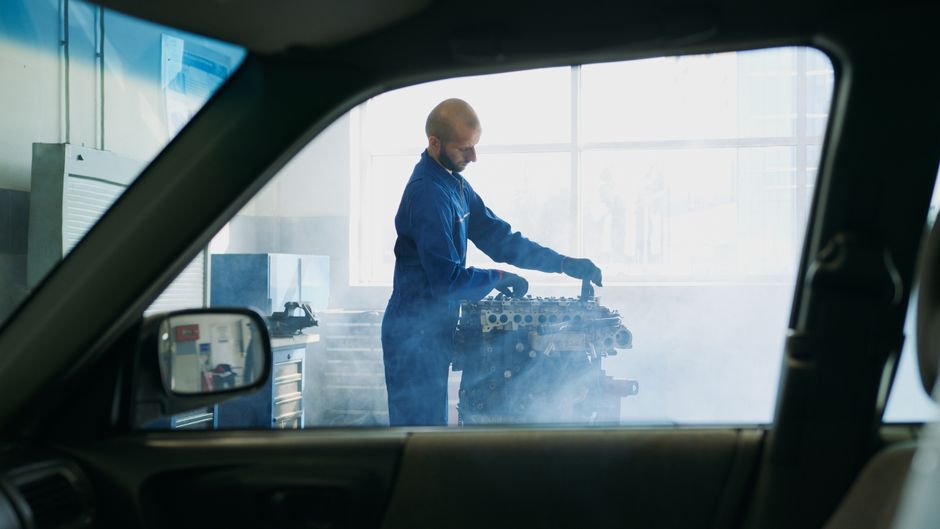
For UK drivers experiencing overheating or coolant loss, this page outlines diagnostic checks of the radiator, hoses, and water pump, methods for locating leaks, and the process of replacing failed components.
Arrange a cooling system check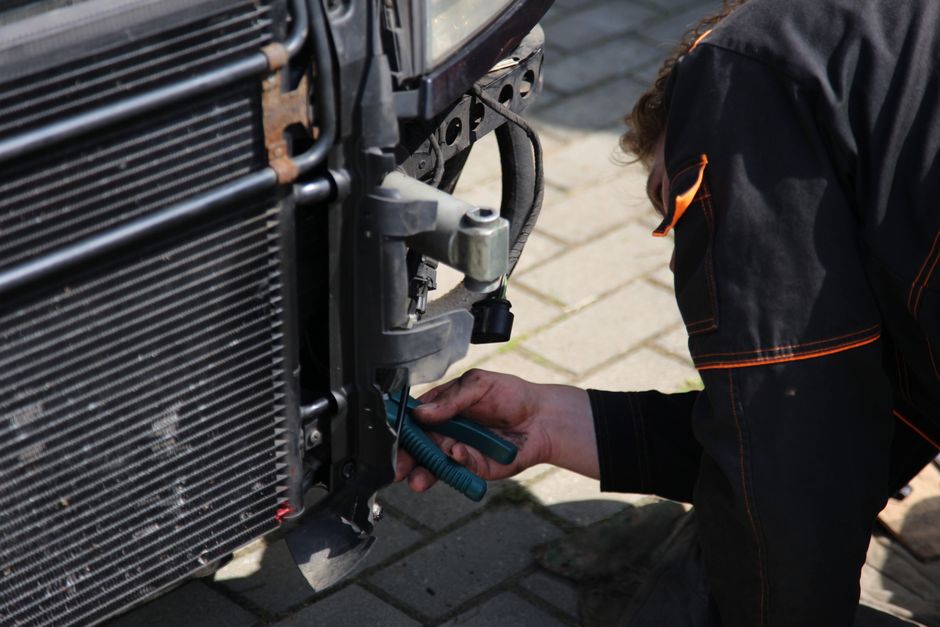
Coolant Motors is an automotive service provider operating in the United Kingdom. Its work centres on cooling system maintenance and repair, following a defined inspection process that examines radiators, hoses and pumps. The service also addresses coolant leaks and component failures, with findings recorded before any further steps are discussed. This information-based approach sets out what is observed, described and communicated, while outcomes depend on the condition of each vehicle and other external factors. Drivers may arrange an inspection through the usual booking routes.
The engine cooling system circulates coolant through the radiator, hoses and water pump to regulate operating temperature. Inspecting these components helps reveal wear, blockages or reduced flow. Overheating and coolant leaks can arise from several interacting causes, including a failing pump, deteriorated hoses or restricted radiator passages. Diagnostic procedures are therefore used to trace the specific source of a fault before any repair work is considered. Findings depend on the vehicle's condition and how the system has been maintained.
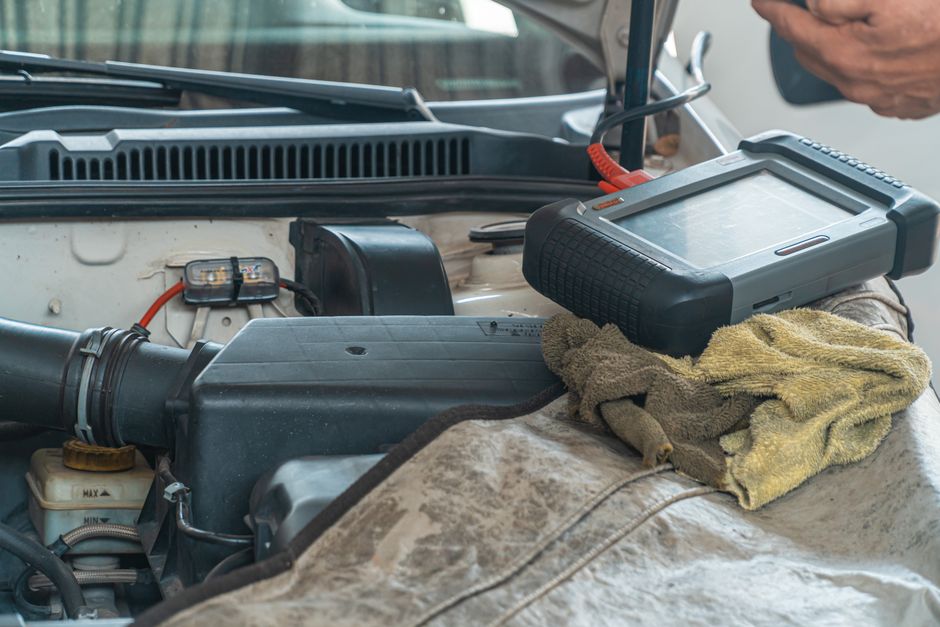
Inspection covers radiator, hoses, water pump and thermostat for visible wear or damage.
Pressure testing and trace dye help locate coolant leaks within the system.
Worn hoses, clamps and failing components are replaced according to inspection findings.
The process is explained step by step, with findings shared before any work begins.
Temperature warnings on the dashboard or visible coolant loss are recognised indications that the cooling system may require attention. Investigative procedures typically involve pressure testing to identify leaks, visual inspection of the radiator, hoses, and water pump, and component evaluation to establish the condition of individual parts. These diagnostic methods follow structured sequences, but their significance is conditional: the make, model, age, and service history of the vehicle all shape which components are relevant and how findings are interpreted. Consequently, what one inspection reveals is not directly comparable across different vehicles or operating environments. At Coolant Motors, diagnostic steps are selected to reflect the context of your vehicle, and assessments are always made individually. Such observations are informational and imply no certainty about outcomes.
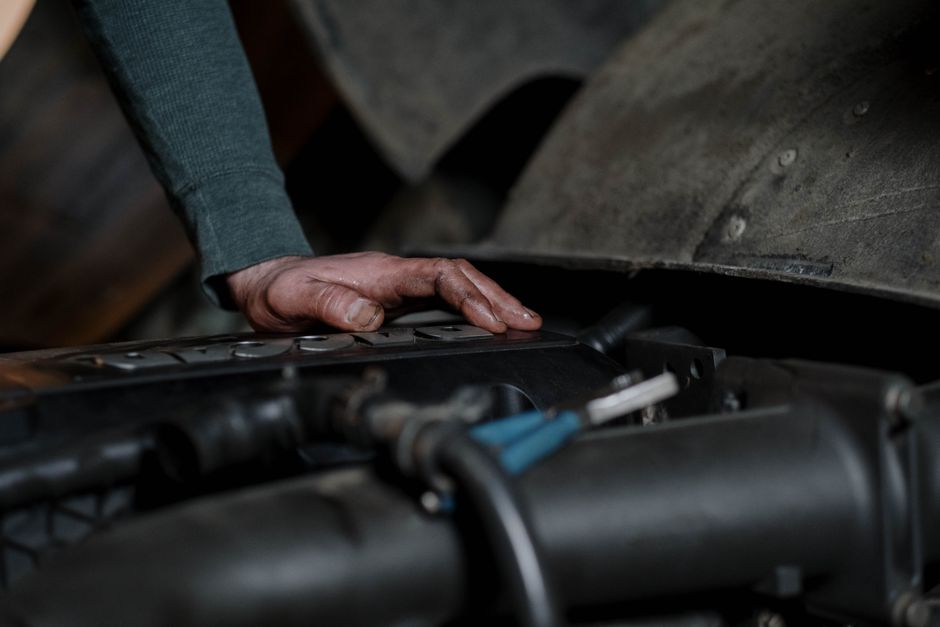
At Coolant Motors, diagnostics follow a structured, process-oriented sequence designed to locate the source of cooling system problems rather than simply addressing symptoms. A typical assessment begins with a visual inspection of the radiator for blockages, corrosion or damage, followed by checks of the hoses for cracks, softness or insecure connections. The water pump and related components, including the thermostat housing and expansion tank, are then examined for signs of wear or reduced function. These steps help narrow down the likely origin of leaks or overheating. Findings are documented and shared in plain terms, so you can decide how to proceed.
Discussing symptoms such as overheating or coolant loss and reviewing the vehicle's history and maintenance records.
Examining the radiator, hoses and water pump after a pressure test to help locate possible leaks and wear.
Determining which parts appear compromised, including the radiator, coolant hoses and water pump assembly.
Outlining suitable repair or replacement options based on findings, yet final steps may vary with each vehicle's condition.
The radiator, hoses and water pump each play a distinct role in managing engine temperature. Restricted flow through a clogged radiator, degraded hoses or a worn pump can affect circulation and overall system behaviour. Maintenance and repair needs vary depending on the vehicle, mileage and driving conditions, so the appropriate course of action is not uniform. A professional assessment at Coolant Motors can help identify which components may require attention and inform decisions about necessary work.
Coolant Motors follows a structured methodology for replacing failed cooling system parts. Each component — radiator, hoses, or water pump — is assessed for suitability against vehicle-specific manufacturer specifications where applicable. Our process begins with identifying the failed part and verifying replacement options. We select components based on compatibility, material quality, and available documentation. Where manufacturer guidance exists, we adhere to it; otherwise, selection depends on application and industry practice. This approach prioritises a transparent, methodical basis for replacement decisions. It does not imply any particular outcome, and suitable operation depends on multiple factors beyond our control.
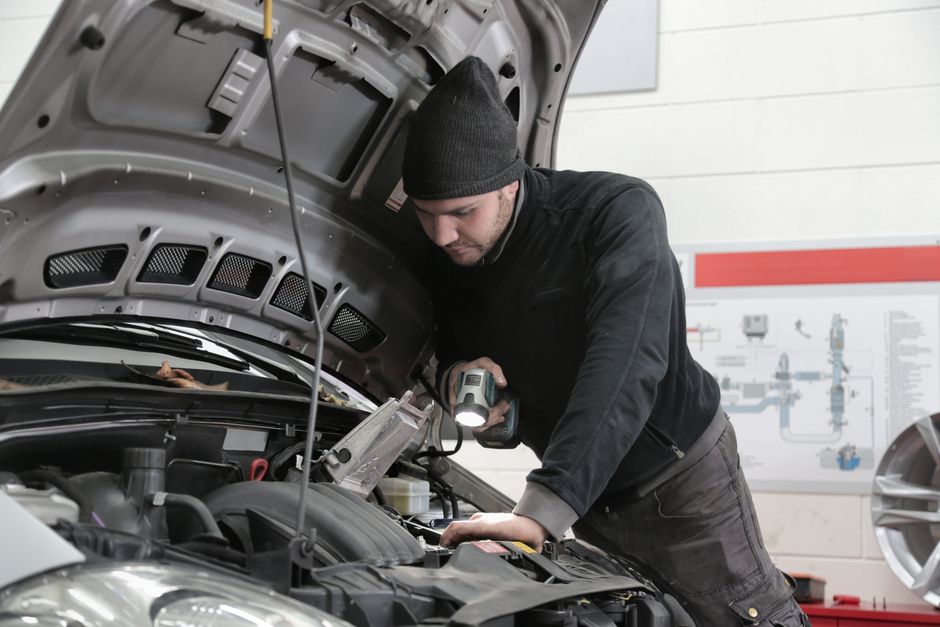
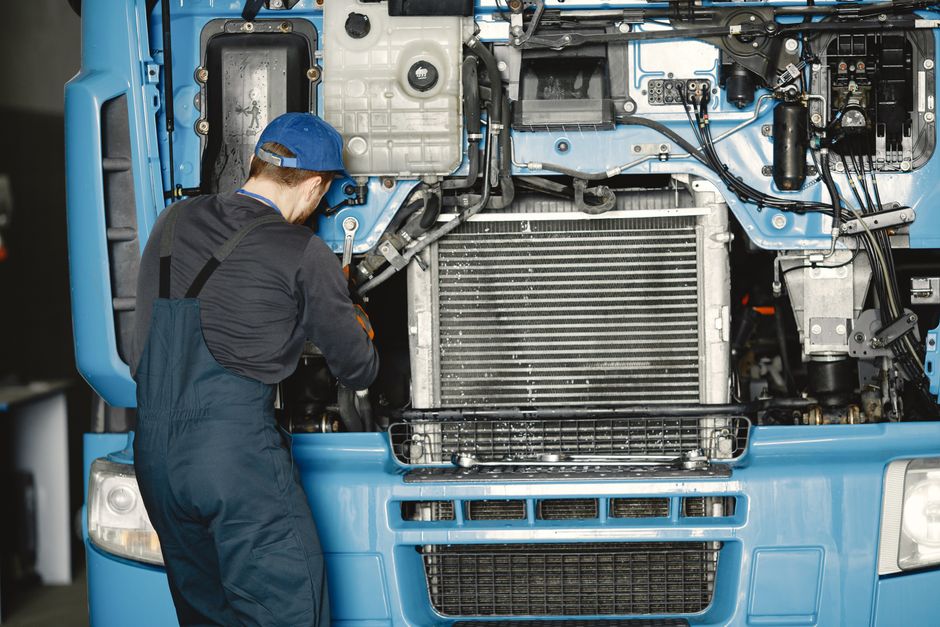
Use of pressure testing and diagnostic equipment helps identify cooling system issues accurately.
Attention to coolant specifications and mixture ratios supports proper system function.
Consideration of connected components such as hoses, clamps, and the water pump.
Visual and functional checks of the radiator, pump, and connections for leaks or wear.
Photographs shown here illustrate types of cooling system components, diagnostic equipment and workshop settings for general reference. Images are illustrative only and do not depict specific vehicles, individual cases or outcomes, and do not imply or guarantee results.
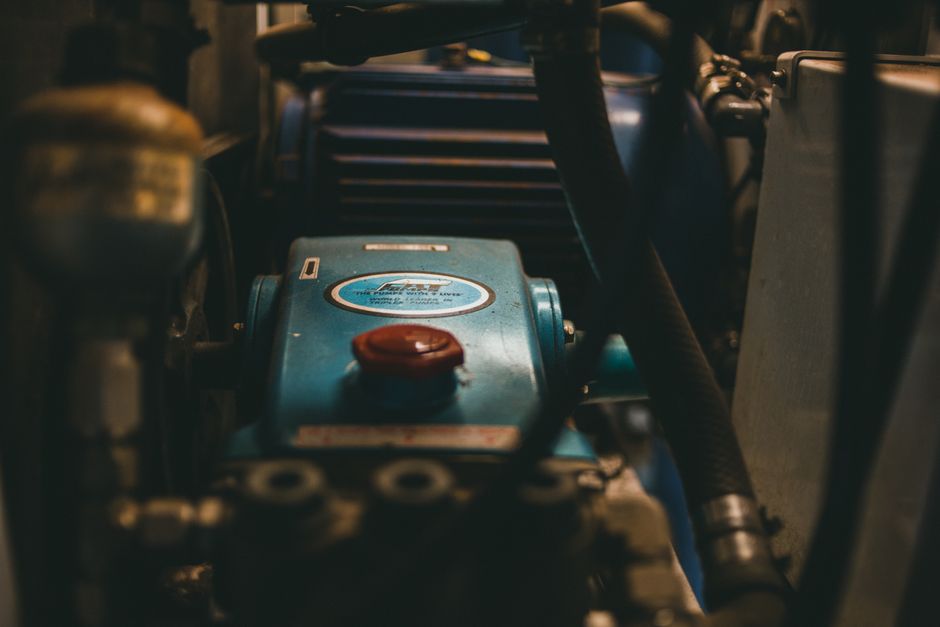
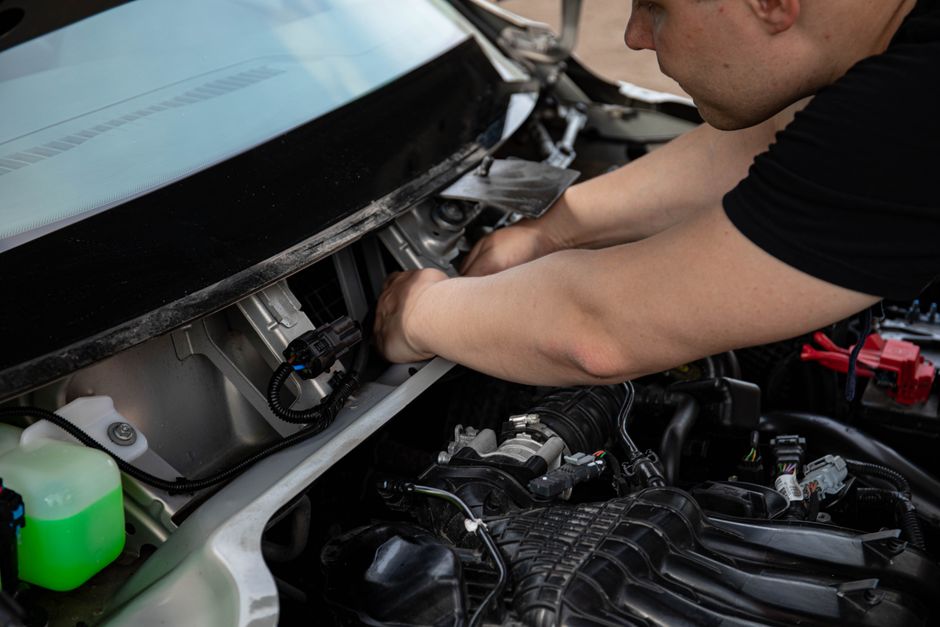
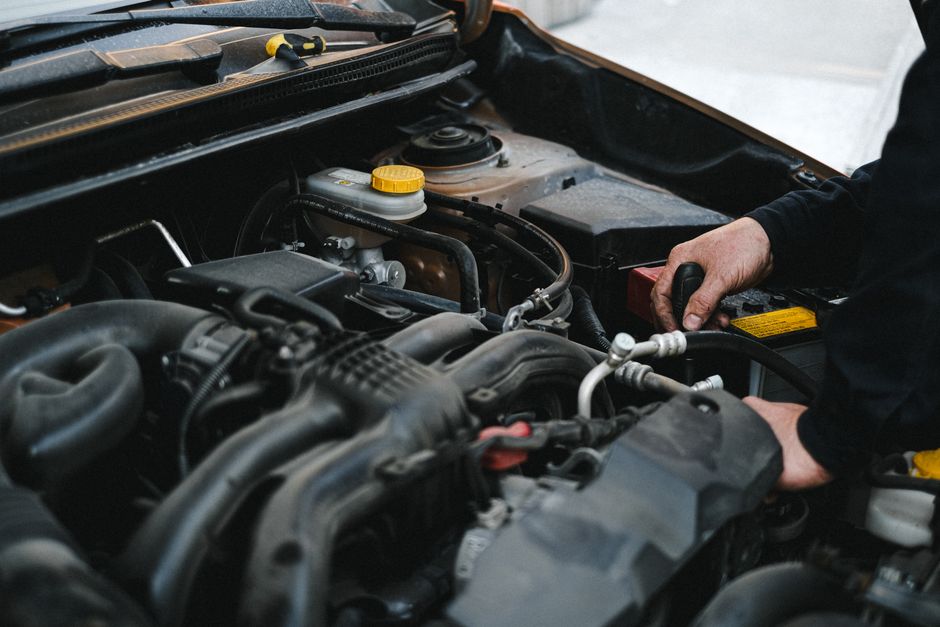
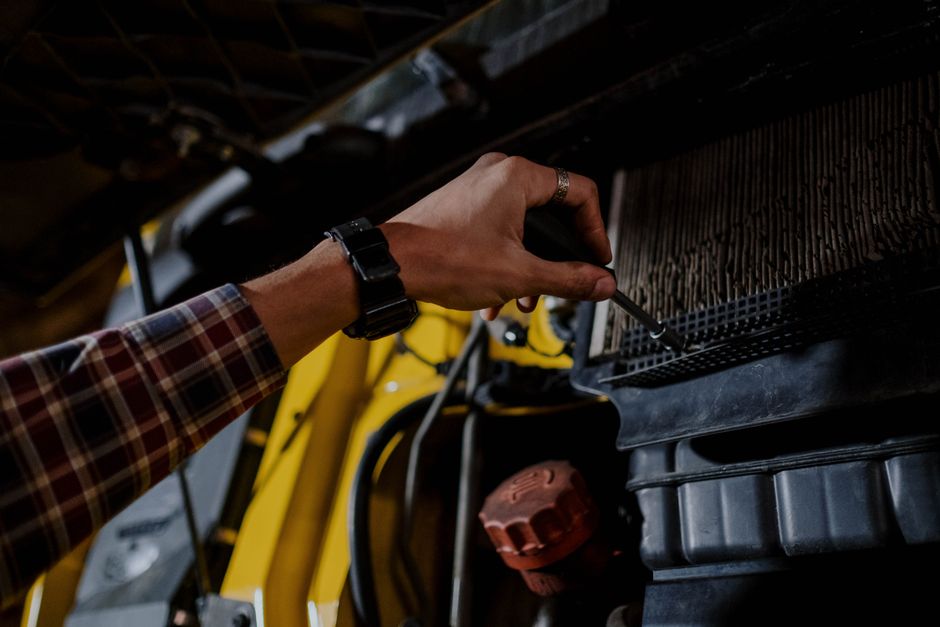
Cooling system operation is shaped by several variables, including driving conditions, maintenance history, and the quality of individual components. Repair outcomes also depend on multiple factors that vary from one vehicle to another. Professional diagnosis helps identify which actions may be appropriate by assessing the system as a whole. Understanding these influences provides a clearer picture of what any repair or service can reasonably address.
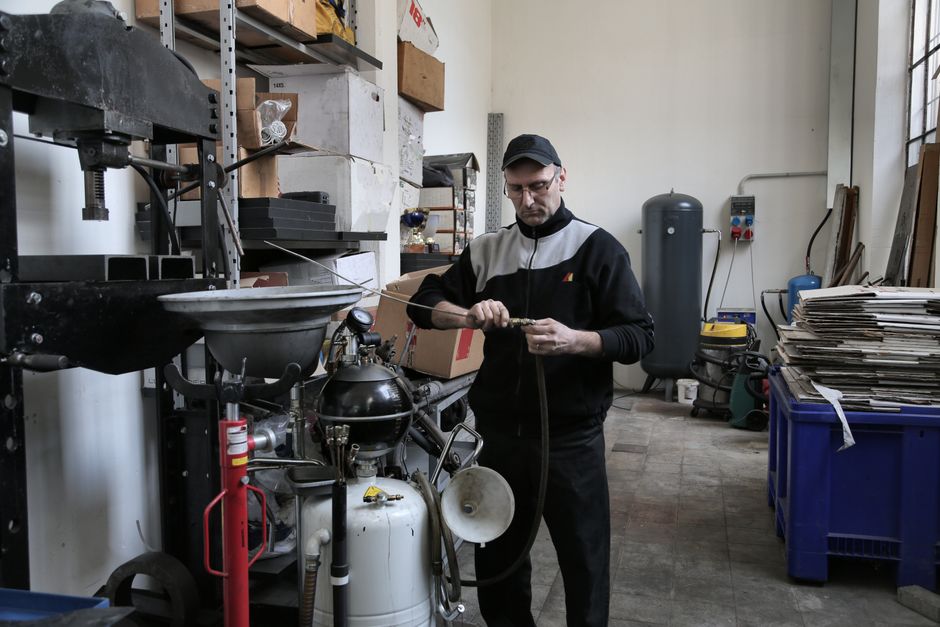
Coolant Motors provides a range of cooling system services for vehicles, including inspections, leak repairs, and component replacements. Each service is carried out according to established procedures, ensuring a structured approach to diagnosing and addressing cooling system issues. Inspections involve checking the radiator, hoses, and water pump, while leak repairs focus on identifying and sealing points of coolant loss. Component replacements are performed when parts are found to be faulty. The specific needs of each vehicle are determined through an assessment, allowing for a tailored service approach. This process-oriented method aims to address cooling system concerns systematically, with outcomes depending on individual vehicle conditions and other factors.
Technicians discuss overheating signs, visible fluid loss, and driving conditions to establish a baseline.
The cooling system is pressurized with a dedicated tool to observe pressure drops indicating leaks.
Using inspection and detection methods, the source is traced to components like the radiator, hoses, or pump.
Depending on findings, the affected part is repaired or replaced, followed by system refill and verification.
Contact Coolant Motors for inquiries or to arrange a cooling system assessment. General contact details are provided; response times and availability may vary depending on workload and other factors.